This is a glossary to introduce yourself to Kinesiology !
Abduction
noun
Lateral movement away from the midline of the body
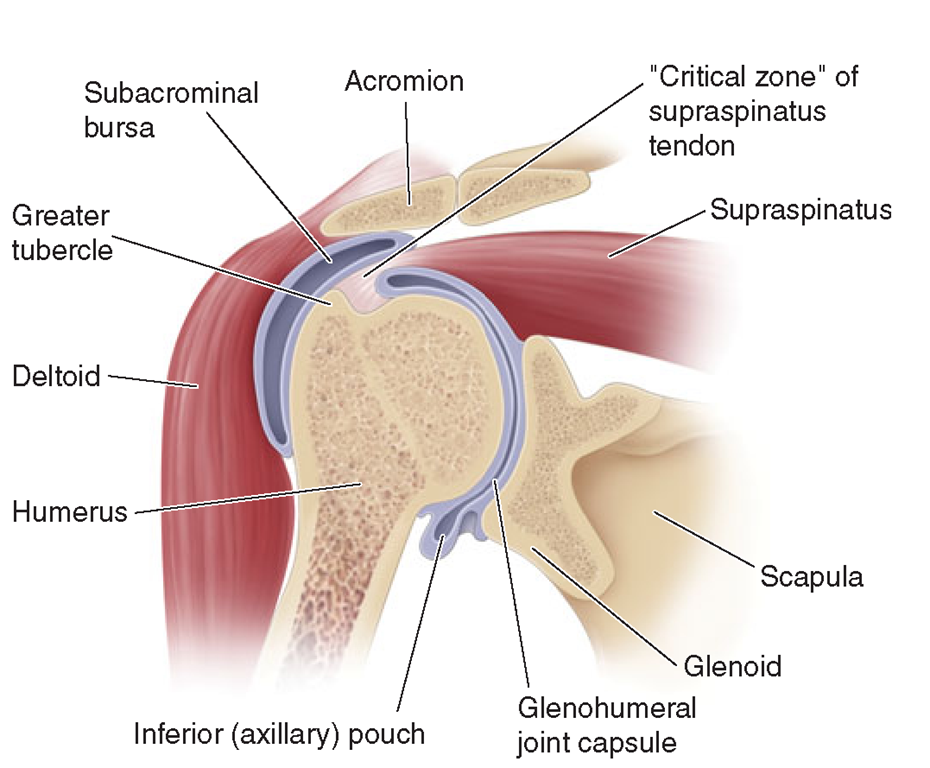
Example: Active movement - when attempts to abduct the arm, there is no movement at the glenohumeral joint with a complete rotator cuff tear, 45-60Ëš of ABDUCTION can be achieved entirely by scapular movement. In incomplete tears or painful arc syndrome power of ABDUCTION is retained but movement is painful.
fr: abduction
Adduction
noun
Medial movement toward the midline of the body
Example: ADDUCTION is unaffected as it is principally achieved by pectoralis major and lattisimus dorsi.
fr: Adduction
Anatomical Position
noun
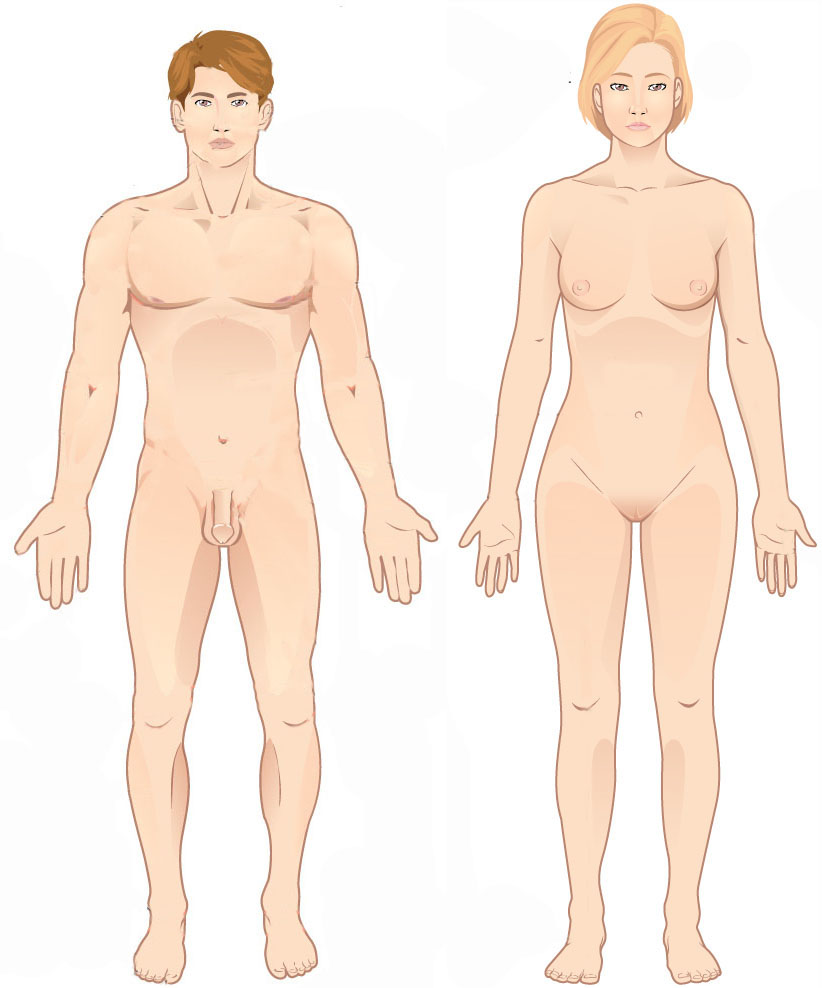
Body upright, feet together, arms hanging at sides, palms facing forward, thumbs facing away from body, fingers extended
Example: Standard anatomical position provides a clear and consistent way of describing human anatomy and physiology. When assessing an individual’s anatomy, many anatomical terms are used to describe the relative positioning of various appendages in relation to the standardized position
fr: Position anatomique
Articulation
noun
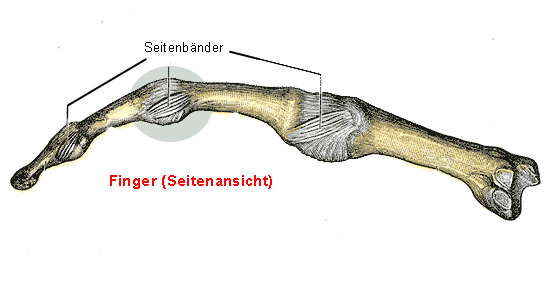
a specified joint.
Example: A number of process-based assessment procedures are available such as the Assessment of Phonological Processes by Barbara Hudson (1986) and the more recent Clinical Assessment of ARTICULATION and Phonology (CAAP) by Wayne Secord and JoAnn Donohue (), which are useful assessment tool to detect phonological disorder in children.
fr: articulation
Biarticulate
noun
A muscle that crosses two joints
Example: These studies indicate that a standing vertical jump may be accomplished without change in the lengths of the several bi-articular muscles of the legs – that, in jumping, the BIARTICULAR muscles work almost like tendons, maintaining tone without shortening or lengthening to deliver the work of powerful uniarticular muscles (gluteus) to the toes
fr: Biarticulé
Circumduction
noun
circular movement (combining flexion, extension, adduction, and abduction) with no shaft rotation
Example: The Circumduction Movement can be described as moving a segment of the body in a circular motion
fr: Circonduction
Contraction
noun
the act, process, or result of making or becoming smaller or shorter and broader contraction of a muscle
Example: The contraction of a muscle with movement against a natural resistance.
fr: Contraction
Dynamic
noun
relating to forces producing motion.
Example: However, circulating subtypes must still be monitored as 95% of strains survive less than 1 year and infect few people 5 and thus, influenza's DYNAMIC nature may still result in regular vaccine updation.
fr: Dynamique
Extension
noun
Straightening the joint resulting in an increase of angle
Example: The extensor digitorum muscle is a muscle of the posterior forearm present in humans and other animals. It extends the medial four digits of the hand
fr: Extension
Flexion
noun
the action of bending or the condition of being bent, especially the bending of a limb or joint.
Example: Light wrist splints - these can limit FLEXION and provide temporary relief of symptoms particularly at night, and can be useful during pregnancy.
fr: Flexion
Forces
noun
In physics, a force is an influence that can change the motion of an object.
Example: The developing roots (radicle) of non-parasitic plants generally grow in a downward direction due to gravitational FORCES and away from light.
fr: Forces
Hyperextension
noun
the forceful extension of a limb or joint beyond its normal limits, either in exercise or therapy or so as to cause injury
Example: hyperextension of the neck may occur with a vigorous rugby tackle
fr: Hyperextension
Inversion
noun
Moving sole of foot toward medial plane
Example: Early T-wave INVERSION in the ECG has also been shown to indicate IRA patency, with increased left ventricular function (Matetzky, Barabash, Shahar et al 1994)
fr: Inversion
Isometric
noun
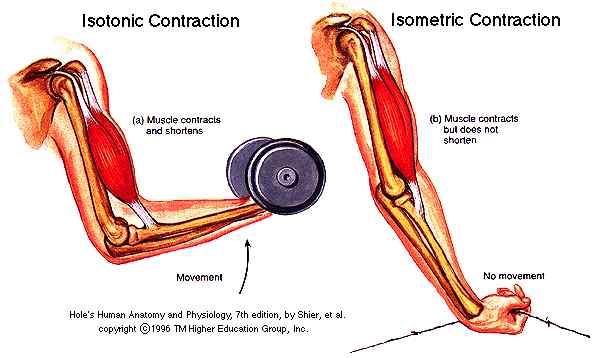
The contraction of a muscle without significant movement, also referred to as static tension
Example: These are easily seen to be ISOMETRIC with the origin as a fixed point so they are rotations in about the origin.
fr: Isométrique
Isotonic
noun
otonic actually means 'same tension', which is not the case with a muscle that changes in length and natural biomechanics that produce a dynamic resistance curve
Example: *NONE*
fr: Isotonique
Movement
noun
Movement is the change in the position of a body part with respect to the whole body.
Example: Herbivores however, use a developed masseter muscle to masticate plant food in a circular, lateral MOVEMENT- a procedure that carnivores do not posses.
fr: Mouvement
Retrusion
noun
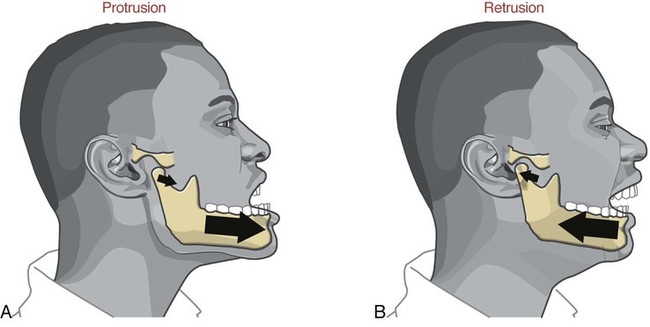
backward displacement. specifically : a condition in which a tooth or the jaw is posterior to its proper occlusal position.
Example: Retrusion of the mandible requires bilateral maximum activation of the posterior and middle temporalis as well as moderate activity of the anterior temporalis and anterior digastric
fr: Rétrusion
Rotation
noun
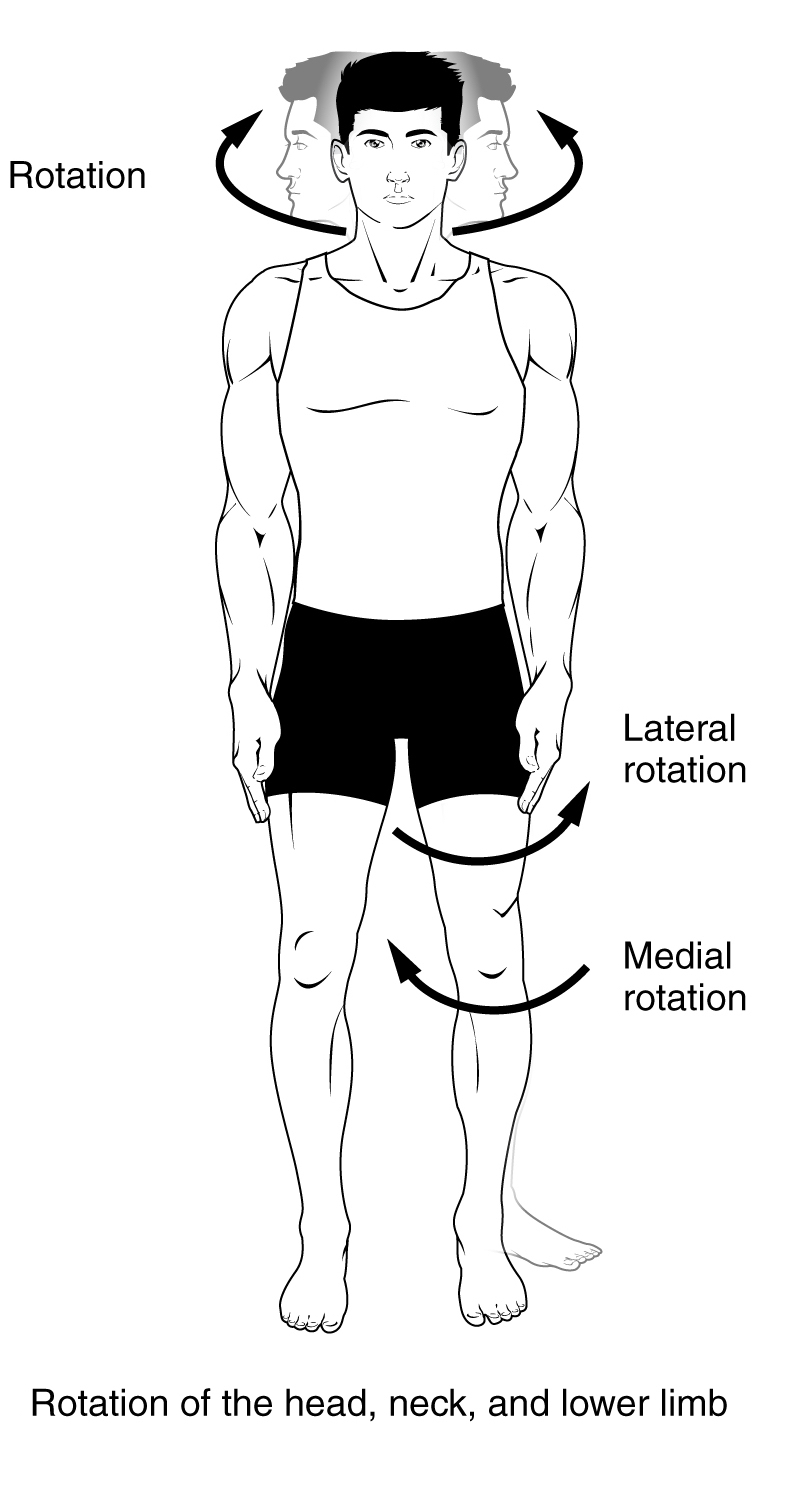
a tour of duty, especially by a medical practitioner in training
Example: Unlike other major nutrients, producers are also able to harness atmospheric nitrogen from the growth of leguminous crops in their ROTATION
fr: Rotation
Triarticulate
noun
A muscle that can move three joints
Example: *NONE*
fr: Triarticulé
Uniarticulate
noun
A muscle that crosses one joint
Example: cross and act directly only on the joint that they cross
EX brachialis (can only pull the humerus & ulna together)